
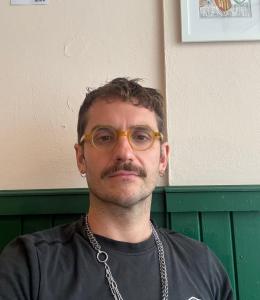
Dr Simon James Holton
Public Engagement Fellow, September 2026 - July 2027
Simon James Holton is a researcher in queer performance and producing based between London and Glasgow. They are a lecturer in experimental arts and performance at the Royal Central School of Speech and Drama. They were awarded their PhD from the University of Glasgow in 2023, for a project which examined Producing Performance Collectively in Austere Times (2008-2018). In this thesis they argued that collectives and artist-run organisations can offer vital support to precarious artforms and communities in the difficult economic conditions of neoliberal austerity. Their more recent research examines producing queer performance on which they are currently writing a monograph, which examines the DIY practices that queers innovate to present experimental performance, to support artists, and to bring intersectional communities of queers together.
Prior to their doctoral research, Simon worked as a producer in theatre, live art, and dance. They worked with venues such as Battersea Arts Centre and Chisenhale Dance Space, festivals such as Buzzcut and In Between Time, and as a freelance producer with artists such as Rachael Clerke and dance collaboration Project O. They worked as Assistant Producer on Touretteshero’s Backstage from Biscuitland, part of BBC and Battersea Arts Centre’s Live from Television Centre, four performances broadcast live on BBC Four. Their teaching, research, and producing reflect a long-standing desire to support experimental performance and organisational practices which imagine and enact equity, social change, and queer joy.
Project title: //BUZZCUT// Festival: Archiving DIY Practice & Queer Friendship
This project explores the first five years of influential Glasgow-based queer live art festival Buzzcut, creating a participatory archive of their activities. This archive will be activated through public provocations and events exploring urgent themes of access to the arts, queer community and scarcity. This project builds on questions of how to archive the ephemerality of performance by asking how we can archive the often life-changing experiences, feelings and affective investments that coalesce around, and co-create, queer performance festivals.
Buzzcut is one of the most significant developments in the UK’s live art and experimental performance scene of the last 15 years. But the memory of Buzzcut’s older festivals remains ephemeral, on a disused wordpress blog site. Buzzcut has now changed hands and is taking an exciting new direction as it reaches its 15th anniversary. This is an extraordinary opportunity to archive the past and engage audiences with Buzzcut’s archive, while also making connections to Buzzcut’s contemporary activities.
Organisations like Buzzcut are essential to providing access to the arts in times of restricted resources. The arts infrastructure in Glasgow and Scotland is embattled – with the CCA closed, and other arts organisations struggling. The time has never been more ripe for artist-run festivals to be formed to support contemporary experimental performance and queer, multiply-marginalised communities. Buzzcut provides a vital precedent and blueprint for these activities in the future, while also remaining an important document of its time, affirming the importance of archiving, activating, and reflecting on these initiatives.